



Blog Details
Blog details
 admin admin
 Introduction
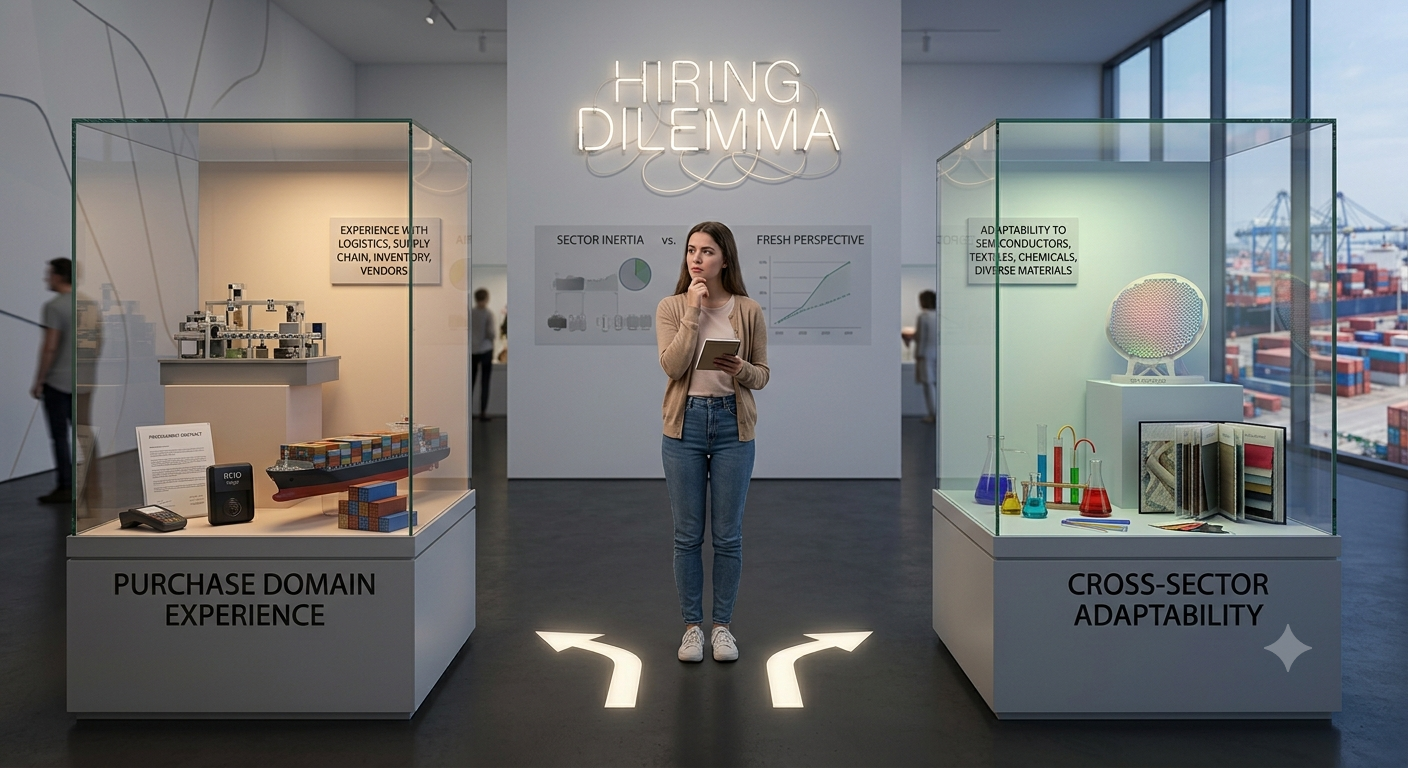
Hiring for the procurement and purchase domain shares many similarities with recruiting for technical roles. However, procurement offers a unique advantage: high cross-sector adaptability. A purchaser from the FMCG sector can smoothly transition into retail, just as a retail buyer can pivot into manufacturing. While this flexibility exists, it remains a subject of debate among hiring managers who hesitate to step outside their industry comfort zones.
The Benefits of Hiring from the Same Sector
There is undeniable value when a company hires a buyer from its own industry. A seasoned professional brings deep sector-specific experience, established vendor networks, and strong industry relationships. This is why organizations—especially when filling senior roles—strongly prefer candidates with matching backgrounds:
-
Sector Specifics: Cement manufacturers look for cement experts, automotive giants target automotive veterans, and pharmaceutical firms seek out pharma buyers.
-
Methodological Mastery: Certain industries require immediate familiarity with specialized frameworks. For instance, the automotive sector prioritizes buyers well-versed in Just-In-Time (JIT) inventory and Zero-Based Costing (ZBC).
-
Technical Knowledge: In specialty chemicals, companies need professionals who grasp chemical technicalities and understand the complex regulations of chemical transportation.
Core Procurement Skills and the Pitfalls of Industry Tunnel Vision
At its core, success in purchasing relies heavily on commercial acumen and strong negotiation skills. A buyer who truly understands cost drivers can successfully manage almost any commodity. In fact, organizations frequently rotate buying portfolios internally to enrich their purchase policies and give buyers well-rounded exposure.
Relying solely on industry insiders comes with distinct disadvantages:
-
Stagnant Innovation: Candidates from the same industry often rely on identical working patterns. Because they have been comfortable with a specific style for years, they may resist new ideas.
-
Limited Talent Pool: Restricting a search to a single sector significantly narrows the hiring funnel, causing companies to miss out on exceptional talent.
Conclusion: Balancing Instant Results with Fresh Perspectives
Management teams often demand immediate results, operating under the assumption that they "are running a business, not a learning school." Consequently, they shy away from teaching a new industry to an outsider.
However, this mindset can be counterproductive. If a candidate is thoroughly vetted for their fundamental purchasing knowledge during the interview, they can deliver results from day one. Furthermore, cross-sector hires bring fresh perspectives that can revolutionize traditional workflows:
Example: When a manufacturing company hired a procurement professional from the retail sector, they successfully introduced the concept of "catalogue buying"—a strategy the manufacturing team had never previously considered.
While examples of cross-sector success abound in both business and society, few hiring managers are willing to take the risk. Ultimately, balancing industry-specific expertise with transferable procurement talent is the key to building a truly innovative supply chain team.
Leave a reply
LATEST BLOG